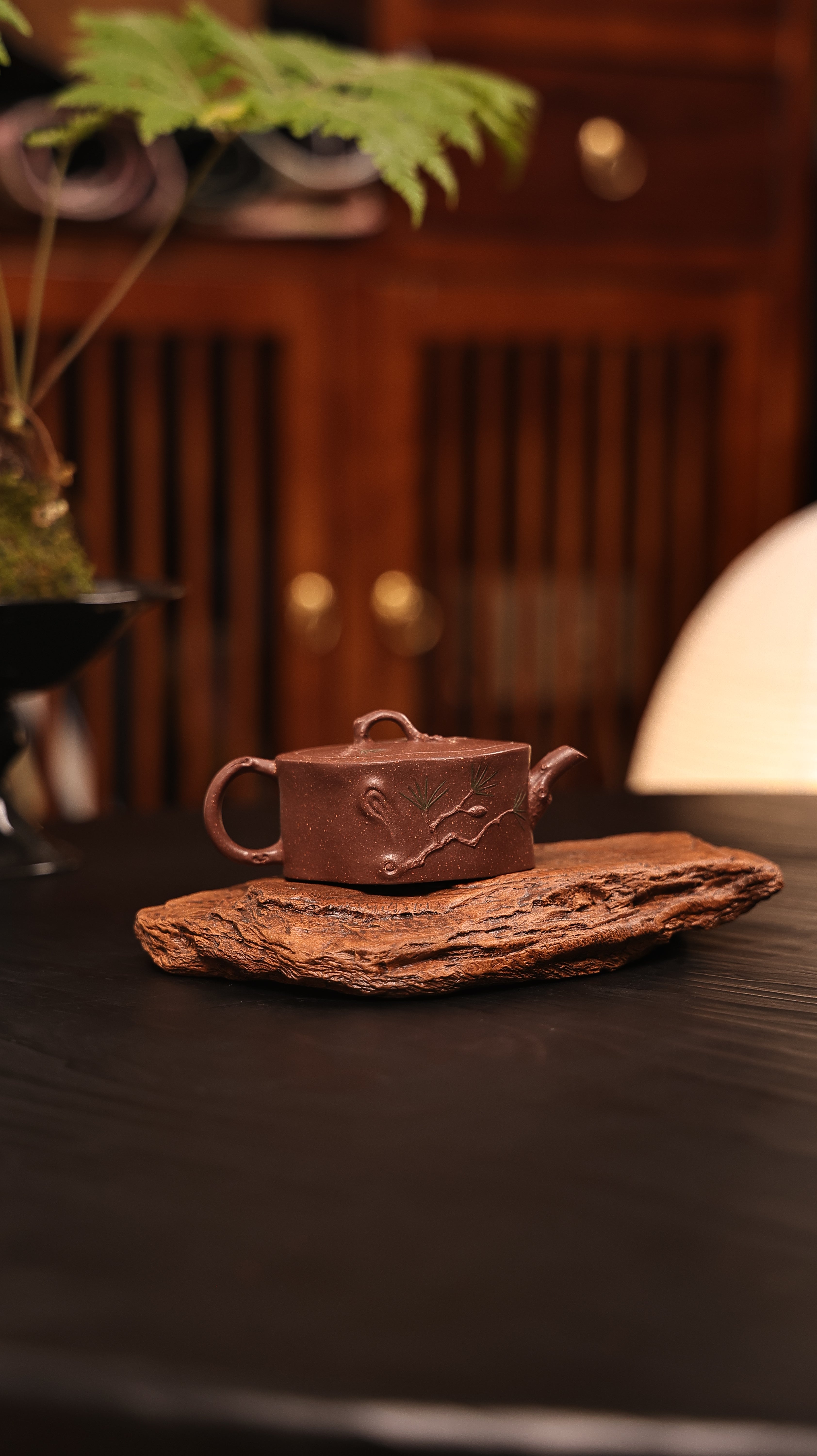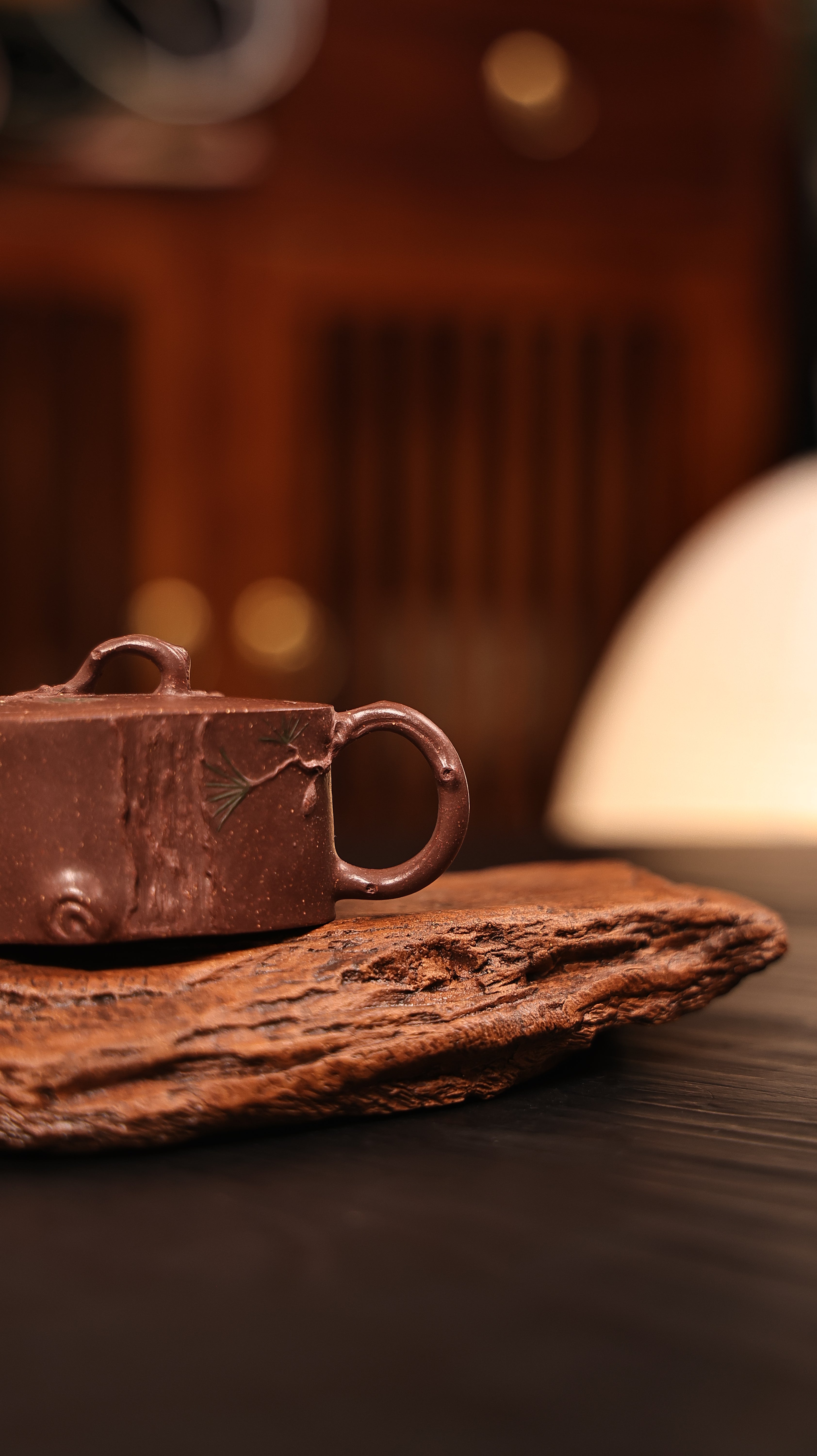
Ages of collectors have sought the exclusive allure of Yixing Zisha kettles. Emerging in the small town of Yixing, the country, these vessels are crafted from a exotic and recovered purple clay recognized for its extraordinary thermal attributes and ability to refine the savor of infusions. Beyond their valuable asset, Zisha teapots reflect a rich legacy foundation, turning them extremely treasured and a undisputed find for any dedicated teapot devotee.
Examining Yixing Clay Pots
Famous teapots demonstrate a distinctive combination of history and artisan craftsmanship. Existing in Yixing, Jiangsu Area of China, their narrative dates back the Ming Dynasty, although signs suggest earlier iterations. The rare maroon clay, called Zisha, found exclusively in the Yixing region, is the principal component, contributing to the pots' exceptional heat sustaining and the manner they modify the taste of tea. Epochs of potters have refined techniques—often conveyed through families—including forming the clay, applying exquisite embellishments, and firing the pots at specific temperatures.- Earlier, Yixing teapots were often embellished with simple designs.
- Down the line, more elaborate carvings and figurative motifs became favored.
- The baking itself is a indispensable element, requiring extensive periods of mastery.
Assembling Zisha Teapots: Key Aspects
Setting out on a search to accumulate Zisha teapots can be pleasurable, but it’s fundamental to know what to seek. Authenticity is principal; focus on the material’s natural pigment, a delicate reddish-brown is standard. Examine the structure; genuine Zisha has a unique tactile sensation, often characterized as slightly unequal. The shape should be harmonious and consistent with established styles, while marks, if present, require close examination for reliability. Don’t postpone to consult with experienced dealers or reliable databases – their insight is indispensable.
The Earthenware: Delving into the Legacy of authentic Yixing Clay
Millennia have seen Yixing Purple Earth teapots occupy a notable role in Chinese culture. These artfully designed pots, sourced exclusively from the district of Yixing, are famous for their peculiar tone, grain, and their ability to develop the scent of extracts. Scores of collectors desire antique Yixing teapots, valuing them deeply not only for their aesthetic grace, but also for the legacy they symbolize.
Yixing Zisha Teapots: An Top Kinds and Their Qualities
Purple Clay teapots, produced in the regional locale of Yixing, this nation, are renowned for their exclusive clay and superb brewing capabilities. Amidst the different Zisha types, the types that are highly sought-after include Duan Ni. Binzhou, known for its bold purple shade and silky texture, delivers a mild flavor. Duan Ni species, recognizable by its reddish color and fairly grainy feel, is said to enhance a depth. Lastly, Zhuni Zisha boasts an scarce burgundy tone and can offer a sweet nuance. Each breed offers a distinct experience, allowing them highly desirable within potion enthusiasts.
Refining Specific Clay Container
To tap into the virtue of your Yixing urn, comprehending the correct means is key. These clay teapots, celebrated for their texture, will eventually accept the essence of the tea you prepare within them. Begin by cleansing the pitcher thoroughly with scalding water. Then, use only fine unpacked leaf tea, as lower quality options can damage the pot’s delicate aroma. Always let the leaves to spread completely, and remember that with each session, your Yixing kettle will become more esteemed.
Sustaining Your Invaluable Zisha Collectible
Proper handling for your Zisha vessel is necessary to Yixing Zisha Teapot extending its integrity and esteem. Zisha clay, acclaimed for its unique pigmentation and consistency, requires delicate handling. Never use severe cleaners, as these can damage the film. After every infusion, rinse the kettle with room temperature water and allow it to evaporate completely.
- Shun soaking the teapot for extended phases.
- Sometimes use a soft rag to maintain the exterior.
- Deliberate applying a thin layer of food-grade mineral oil inside the container after drying, which can reduce staining.
Introduction to Yixing Containers
Yixing teapots, originating from the Yixing area in Jiangsu Province, China, are celebrated for their distinctive properties. Created from the unique purple compound known as Zisha, these pots are prized by brew enthusiasts worldwide. This digest will gently explain the essentials – covering sorts of Zisha soil, frequent shapes, and key care advice. Understanding the background of Yixing containers can boost your appreciation for this acclaimed example of Chinese heritage.
Skill of Oriental Kettles: Highlighting Zisha originating in the Yixing region
Zisha earth from Yixing locality represents the culmination of Eastern kettle design, undergoing a exceptional composition of elemental beauty and hands-on artistry. These extraordinary pieces are honored for their saturated tints, often encompassing strong purples and mahogany hues to pale greys and faint beiges. The unique mineral composition of the native Zisha material imparts a signature texture and produces a welcoming aroma that increases the complete extract experience, contributing to them extremely sought-after collectibles and key components of any serious practice.