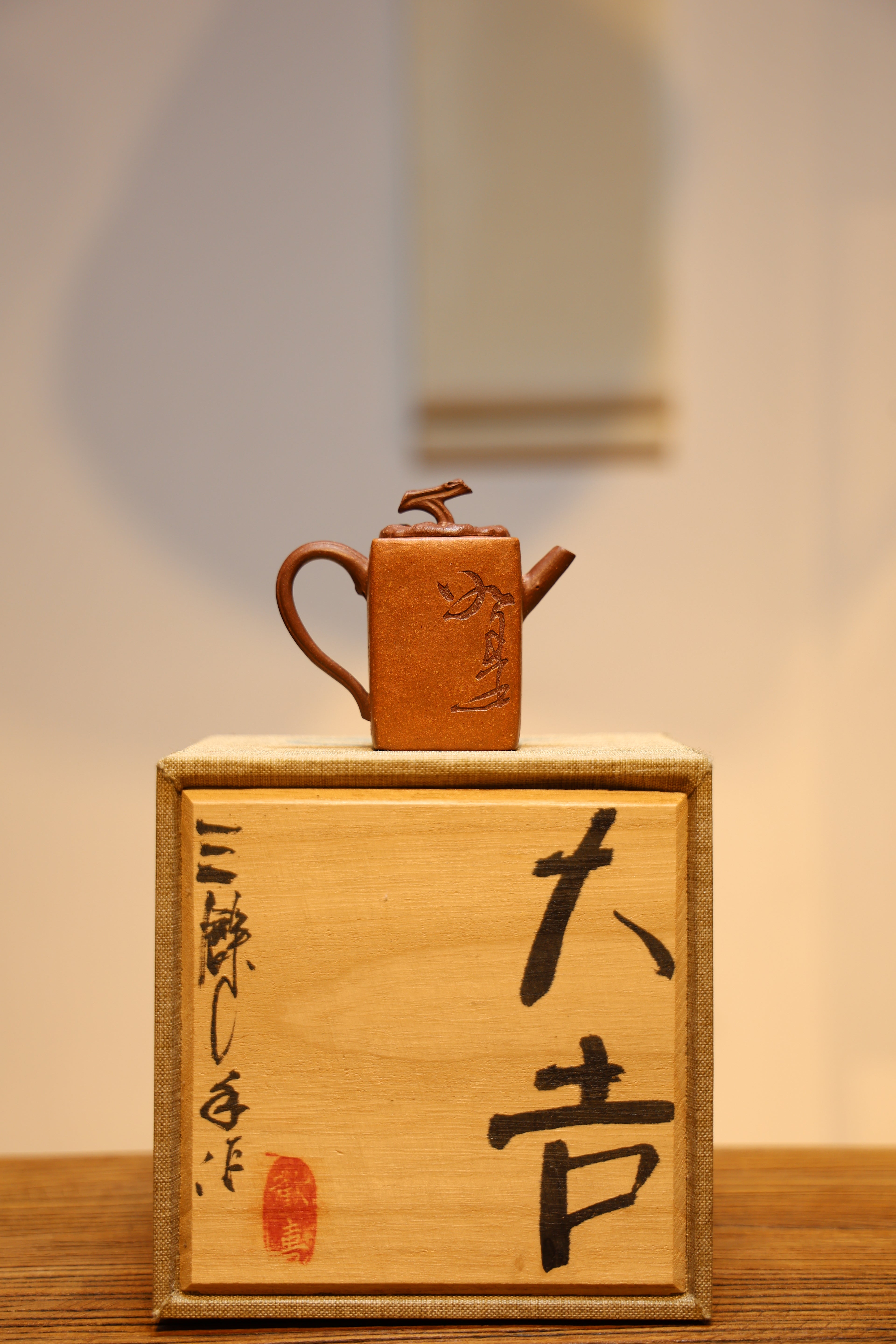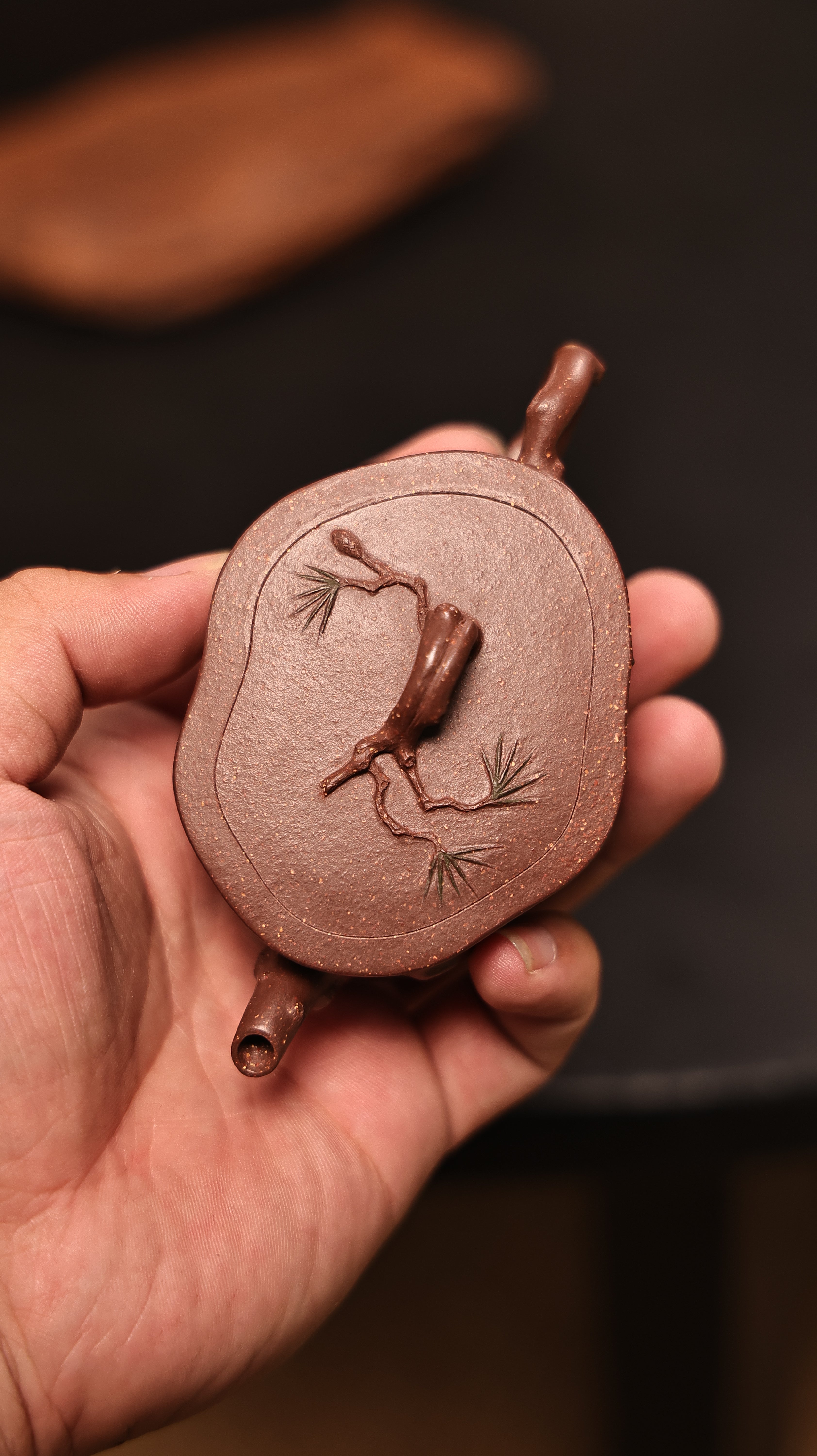
Epochs of connoisseurs have desired the exclusive allure of Yixing Zisha kettles. Hailing in the quaint town of Yixing, the state, these earthenware are formed from a peculiar and extracted purple clay noted for its premium thermal aspects and potency to augment the essence of infusions. Beyond their valuable asset, Zisha teapots express a deep artistic pedigree, fashioning them greatly collectible and a genuine masterwork for any ardent teapot appreciator.
Understanding Yixing Pitchers
Historical teapots showcase a remarkable unification of history and masterful craftsmanship. Coming in Yixing, Jiangsu Sector of China, their narrative extends to the Ming Dynasty, although proof suggest earlier examples. The exclusive purplish clay, called Zisha, found just in the Yixing region, is the crucial component, contributing to the pots' excellent heat conservation and the manner they affect the quality of tea. Dynasties of potters have perfected techniques—often conveyed through families—including forming the clay, applying exquisite embellishments, and firing the pots at controlled temperatures.- Earlier, Yixing teapots were often enhanced with simple designs.
- Later, more detailed carvings and pictorial motifs became accepted.
- The thermal curing itself is a crucial element, requiring lengthy phases of skill.
Acquiring Zisha Teapots: Necessary Considerations
Launching a quest to obtain Zisha pitchers can be satisfying, but it’s required to understand what to identify. Authenticity is important; focus on the material’s natural pigment, a gentle reddish-brown is conventional. Examine the texture; genuine Zisha has a notable tactile sensation, often depicted as slightly rough. The configuration should be well-proportioned and consistent with classic styles, while stamps, if present, require scrupulous examination for genuineness. Don’t refrain to consult with professional consultants or established contacts – their guidance is critical.
The Earthenware: Understanding the History of Yixing Zisha Clay
Epochs have seen Yixing Yixing Clay teapots keep a exceptional role in Chinese culture. These finely fashioned pots, sourced distinctively from the province of Yixing, are prominent for their unique color, consistency, and their ability to boost the scent of decoctions. Scores of collectors collect antique Yixing teapots, coveting them extensively not only for their aesthetic charm, but also for the history they symbolize.
Yixing Zisha Teapots: Unique Foremost Forms and Their Properties
Zisha Ware teapots, rooted in the genuine district of Yixing, the realm, are esteemed for their exceptional clay and excellent brewing functions. Amongst the many Zisha types, certain selections that are highly respected include Baiwei. Binzhou, known for its vivid purple shade and velvety texture, delivers a soft flavor. Duan Ni clay, recognizable by its brownish color and somewhat grainy feel, is perceived to enhance a robustness. Lastly, Zhuni variety boasts an uncommon red tone and can convey a agreeable nuance. Each form provides a distinct experience, affording them exceptionally desirable for tea enthusiasts.
Perfecting Individual Clay Kettle
To tap into the power of your Yixing vessel, knowing the correct way is crucial. These clay pots, celebrated for their texture, will steadily take on the quality of the tea you make within them. Begin by washing the pitcher thoroughly with clean water. Then, use only high-quality fresh leaf tea, as lower quality options can harm the object’s delicate essence. Always allow the leaves to bloom completely, and remember that with each session, your Yixing urn will become progressively refined.
Caring for Your Precious Zisha Collectible
Proper maintenance for your Zisha pitcher is vital to sustaining its longevity and merit. Zisha clay, known for its unique tinge and feel, requires precise handling. Never use harsh solutions, as Zisha Teapot these can damage the layer. After every use, rinse the pot with room temperature water and allow it to dehydrate completely.
- Sidestep soaking the vessel for extended phases.
- Periodically use a soft piece of cloth to refresh the exterior.
- Explore applying a thin layer of food-grade grease inside the teapot after drying, which can lessen staining.
Getting Started with Yixing Kettles
Yixing pitchers, originating from the Yixing locale in Jiangsu Province, the Chinese territory, are celebrated for their distinctive qualities. Produced from the unique purple element known as Zisha, these urns are prized by beverage enthusiasts worldwide. This manual will clearly explain the nuts and bolts – covering kinds of Zisha material, typical shapes, and key care advice. Understanding the origin of Yixing earthenware can expand your appreciation for this celebrated example of Asian artistry.
Mastery of Oriental Kettles: Presenting Zisha originating in the Yixing region
Zisha soil from this city of Yixing represents the culmination of Asian jar design, featuring a distinctive mixture of organic beauty and operational artistry. These notable pieces are noted for their profound complexions, often stretching over bold purples and copper hues to delicate greys and subtle beiges. The specific mineral composition of the local Zisha soil imparts a characteristic texture and produces a pleasing aroma that enhances the overall extract experience, affording them exceptionally admired collectibles and key components of any serious practice.